
Home / Departments / Composting & Soil
Departments · Feed
Composting & Soil
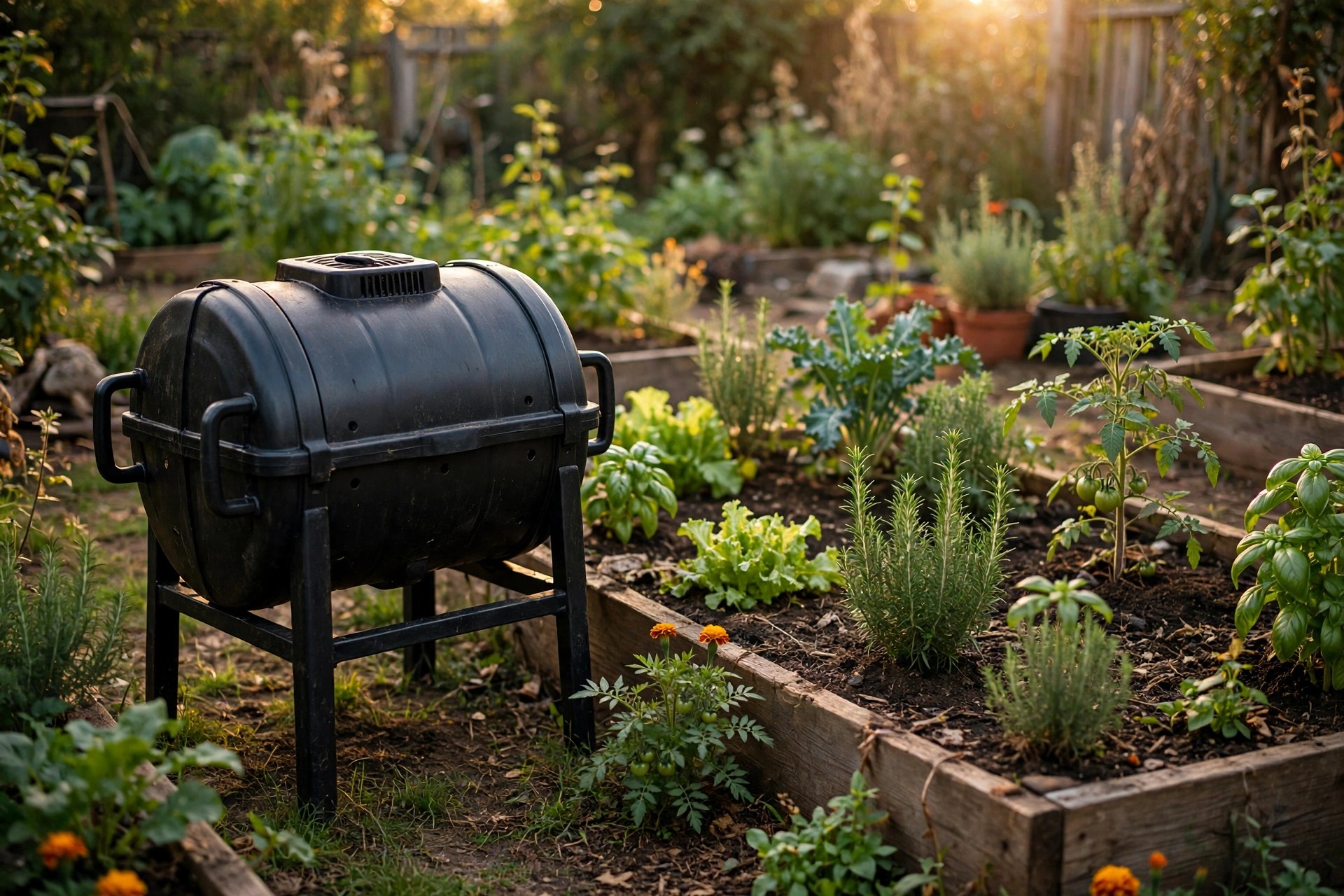
Everything in the garden starts here. Compost is free fertility if you’re patient and a smelly science project if you’re not. The honest picks: bins and tumblers matched to how much waste you actually make.
What makes a good compost setup
- Size matched to your household waste. Too big stalls out; too small overflows. A family of four’s scraps fit a different system than a half-acre homestead’s.
- Browns and greens in balance. Roughly three parts carbon-rich browns (leaves, straw, cardboard) to one part nitrogen-rich greens (scraps, grass). Too many greens is where the smell comes from.
- Air and moisture. Damp-sponge moisture and regular turning or aeration keep the pile aerobic — anaerobic piles are the smelly ones.
- A system you’ll actually turn. The best tumbler is the one at a height and effort level you won’t abandon by August.
The payoff
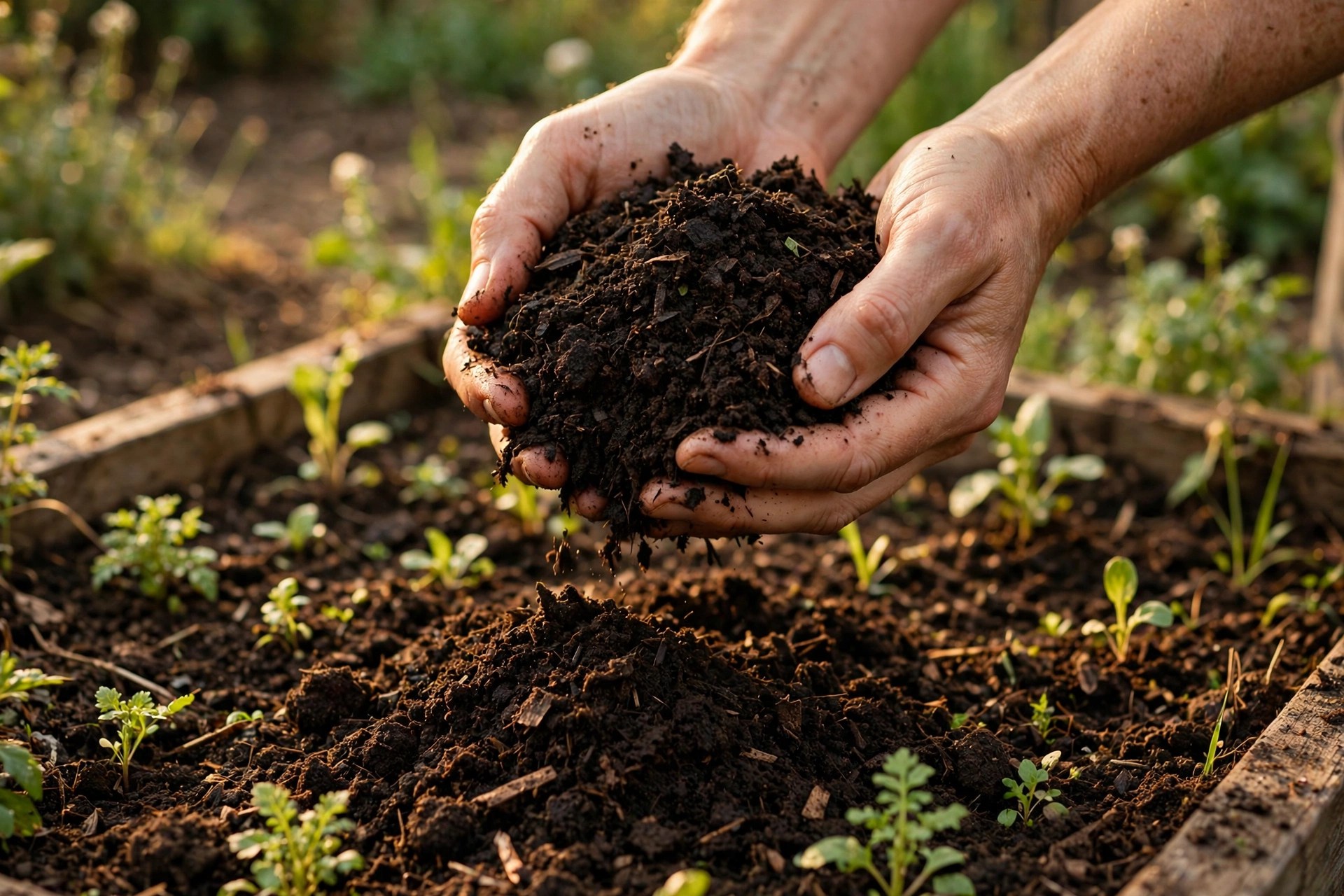
Why we flag it: finished compost is the single best thing most gardeners can add to their soil — structure, biology, and slow-release fertility in one dark handful.

Bin anatomy
Why we flag it: layers of browns and greens, kept damp and turned, do the work — the bin just holds it together and keeps it tidy.
Some links are affiliate links — we may earn a commission at no extra cost to you.
Pile vs. bin vs. tumbler
Three honest systems, with the catch for each.
The open pile
The deal: free, unlimited capacity, and the fastest hot composting if you turn it.
The catch: it’s a pile — visible, occasionally aromatic, and open to every critter in the neighborhood.
The stationary bin
The deal: tidy, cheap, and big enough for real volume; pallets make a perfectly good one.
The catch: turning means a fork and some effort — the workout is not optional.
The tumbler
The deal: turn with a crank, keep pests out, and compost on a patio or small lot.
The catch: smaller capacity, and a full drum gets heavy to spin — size it to your actual scraps.
Good to know
Why does my compost smell?
Usually too many greens and not enough air. Add browns, turn it, and check moisture — it should feel like a wrung-out sponge, not a swamp.
What should never go in the pile?
Meat, dairy, and oils in a home pile (pests and smell), plus anything treated — glossy paper, charcoal-ash from briquettes, or diseased plants you don’t want back in the garden.
How long until it’s finished?
Hot, turned piles can finish in weeks; a passive bin takes months to a year. Start early — the pile you build this fall feeds next spring’s beds.
Do I need a compost activator or starter?
Almost certainly not. A shovelful of garden soil or finished compost inoculates a new pile for free — the microbes are already everywhere.
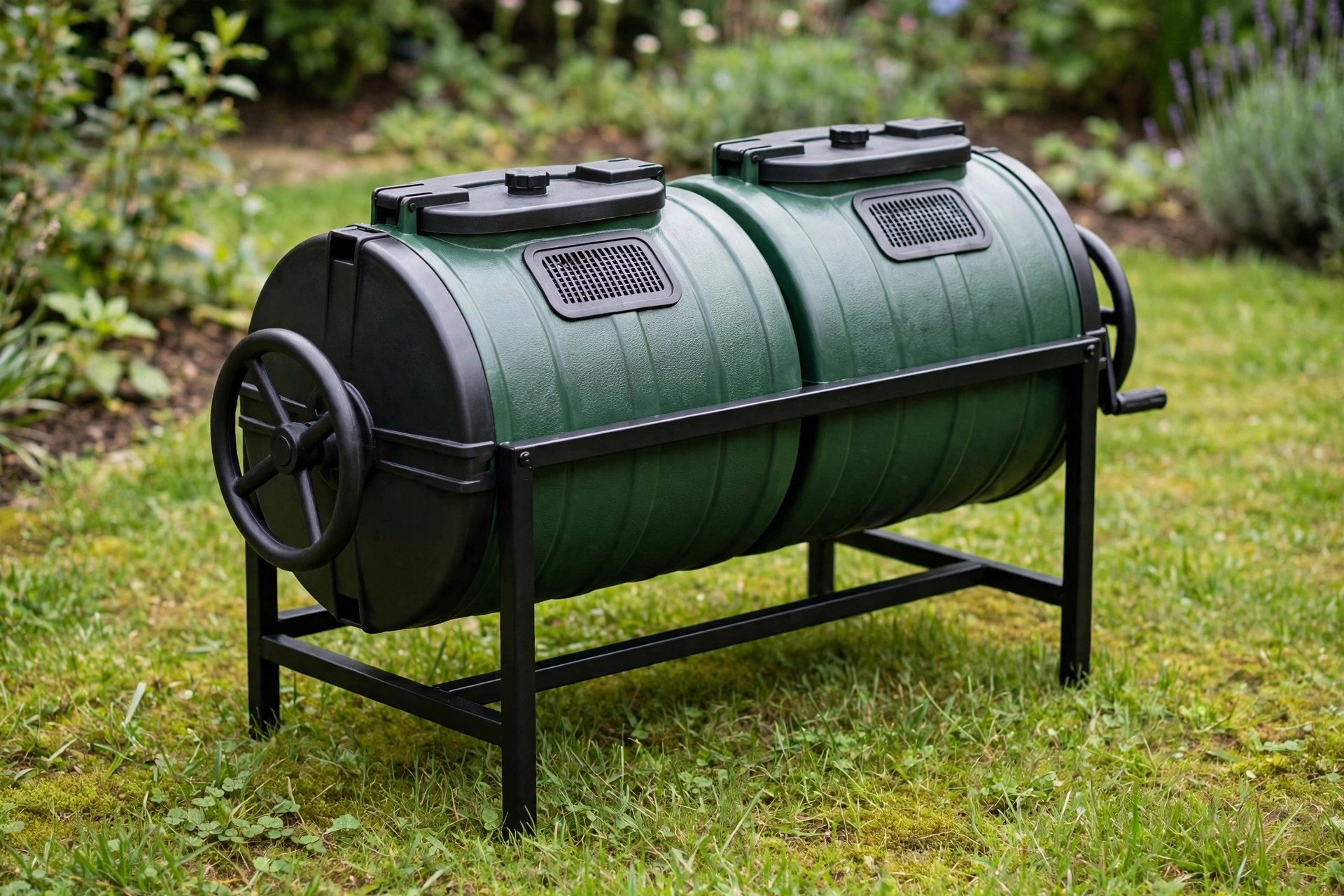
FCMP Outdoor Tumbling Composter with Two Chambers for Efficient Batch Composting (IM 4000)
Why we picked it: Two chambers so you can cure one batch while filling the other — the feature that separates composters that work from ones that stall. Spinning beats turning with a fork, full stop.
Some links are affiliate links — we may earn a commission at no extra cost to you.
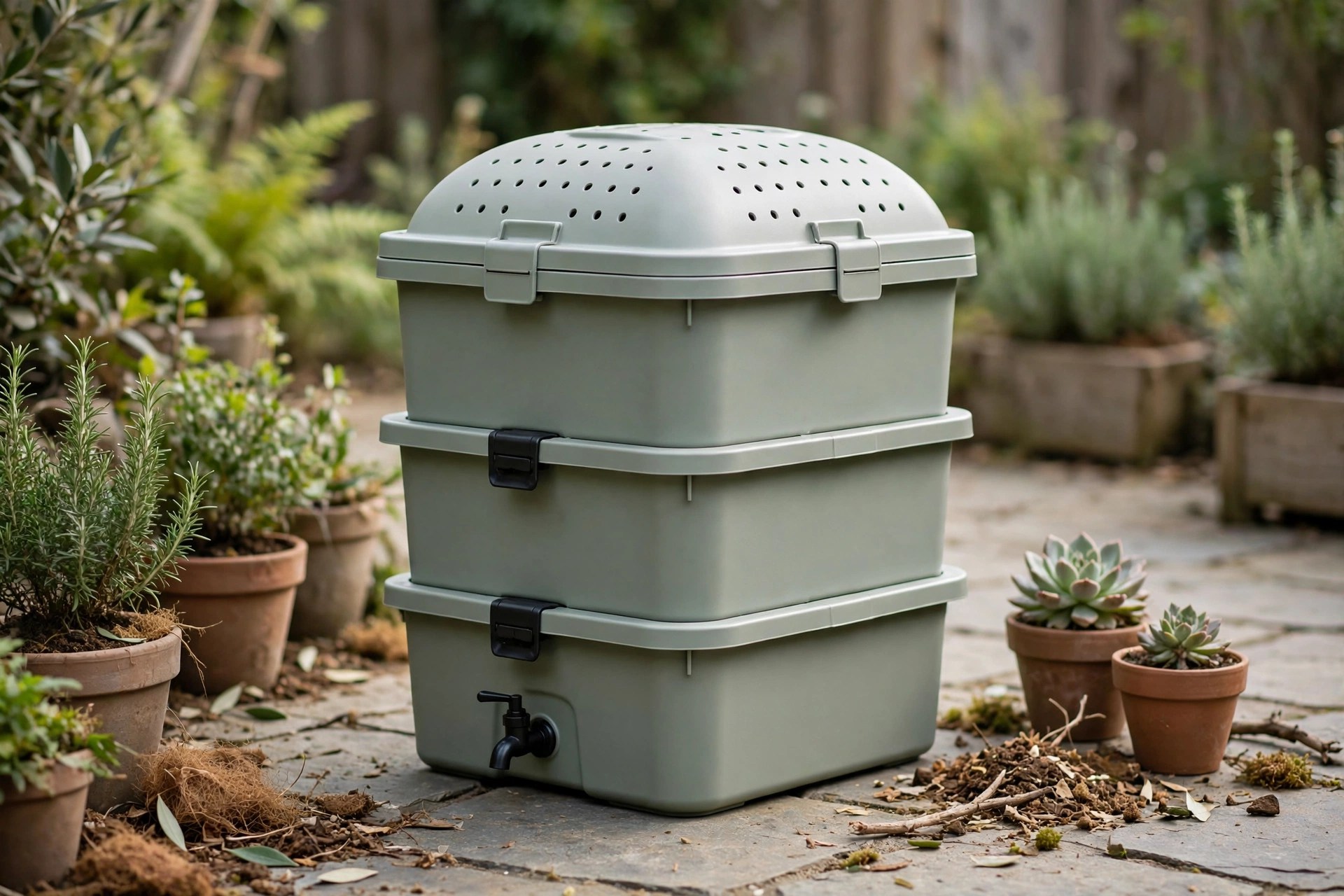
The Worm Factory 360
Why we picked it: Stacked trays let finished castings migrate down while worms work the fresh scraps on top — harvesting without the messy sorting. Uncle Jim’s bundles it with free shipping, which matters at this size.
Some links are affiliate links — we may earn a commission at no extra cost to you.
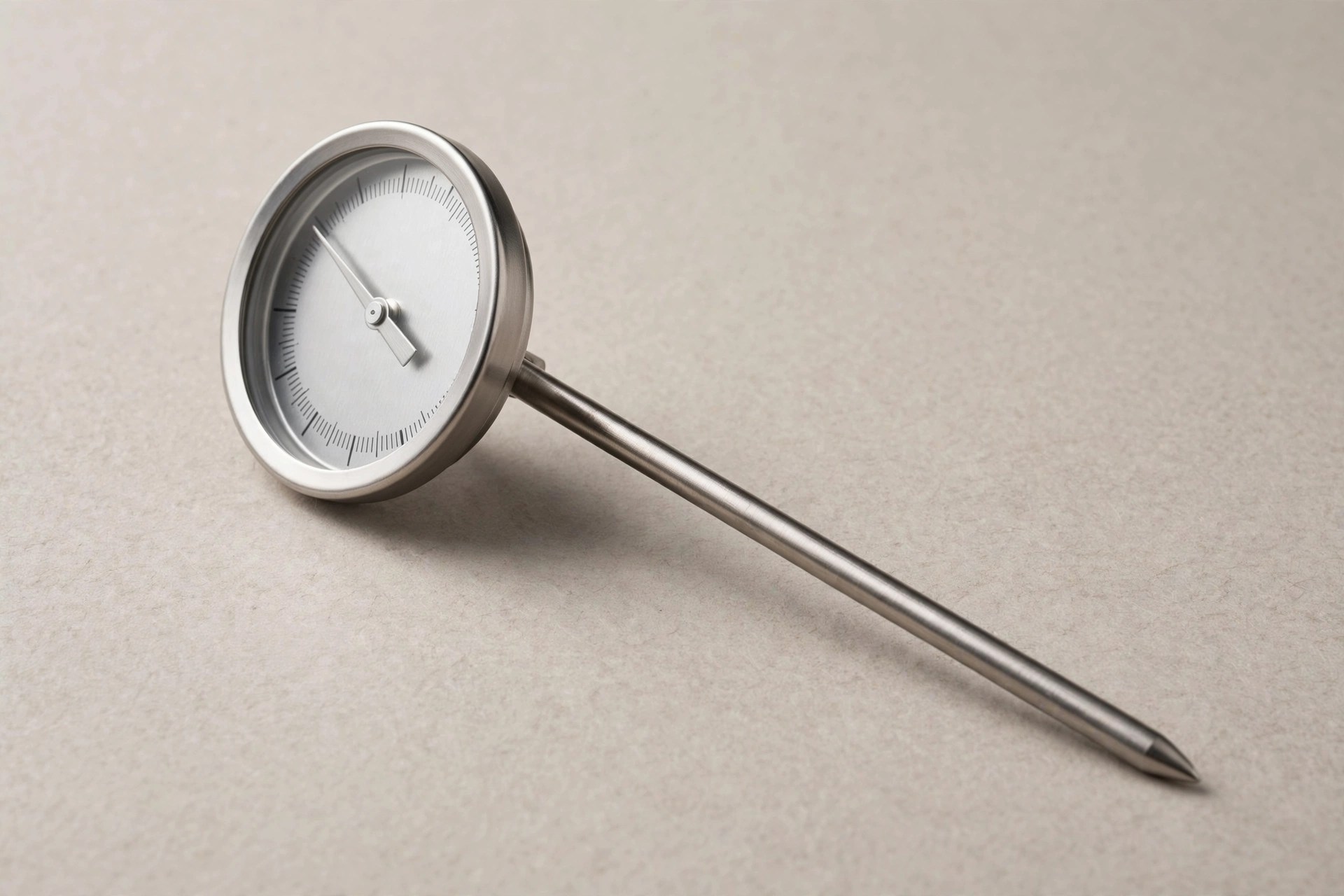
Stainless Steel Compost Thermometer
Why we picked it: A compost pile without a thermometer is just a hopeful heap — this tells you whether your pile is actually cooking. Ten dollars that teaches you more than any compost book.
Some links are affiliate links — we may earn a commission at no extra cost to you.
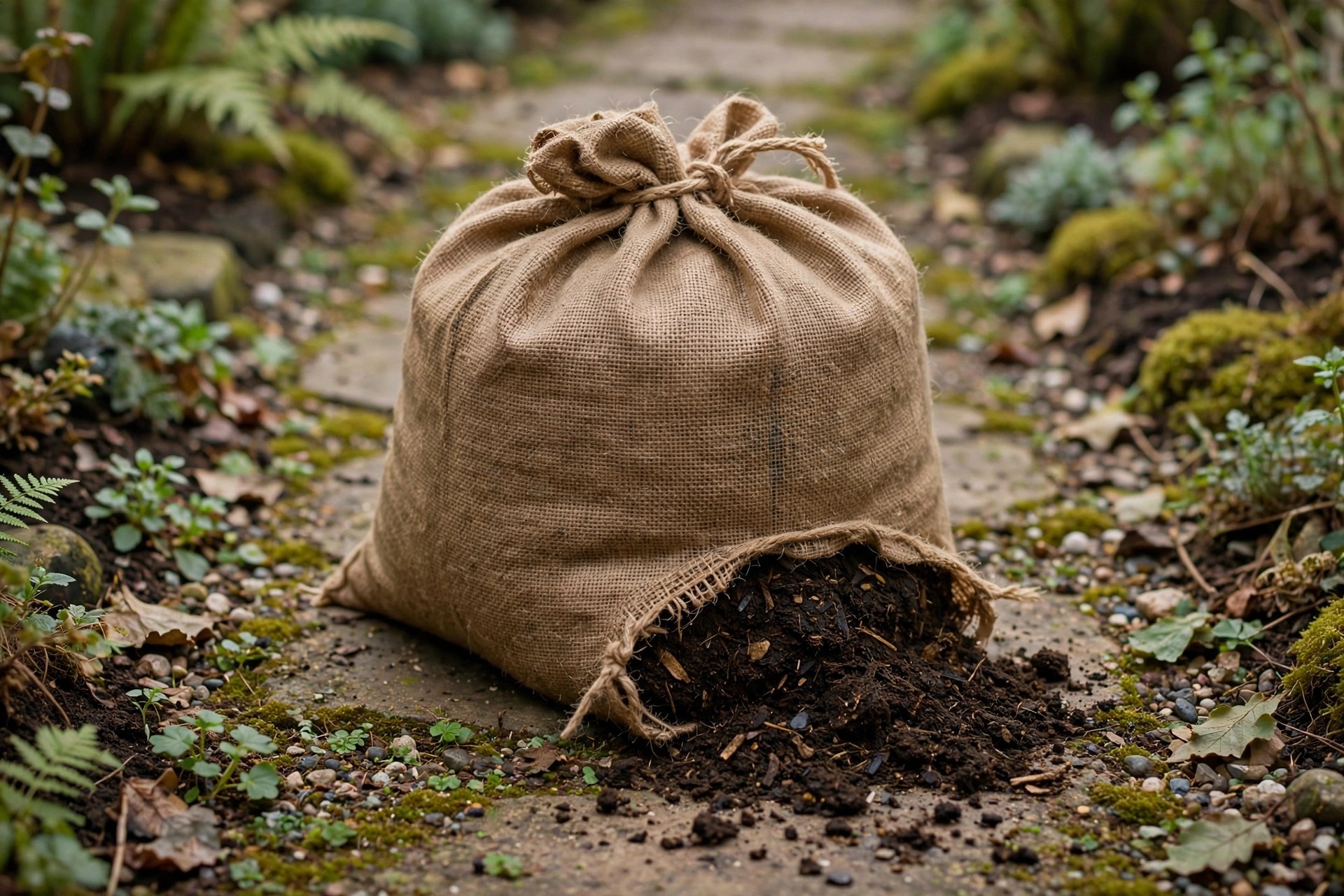
Black Kow 1 cu. ft. Composted Cow Manure (BLKKOW1CF)
Why we picked it: Composted cow manure that’s finished enough to use straight from the bag. The bag every experienced gardener reaches for when a new bed needs life fast.
Some links are affiliate links — we may earn a commission at no extra cost to you.
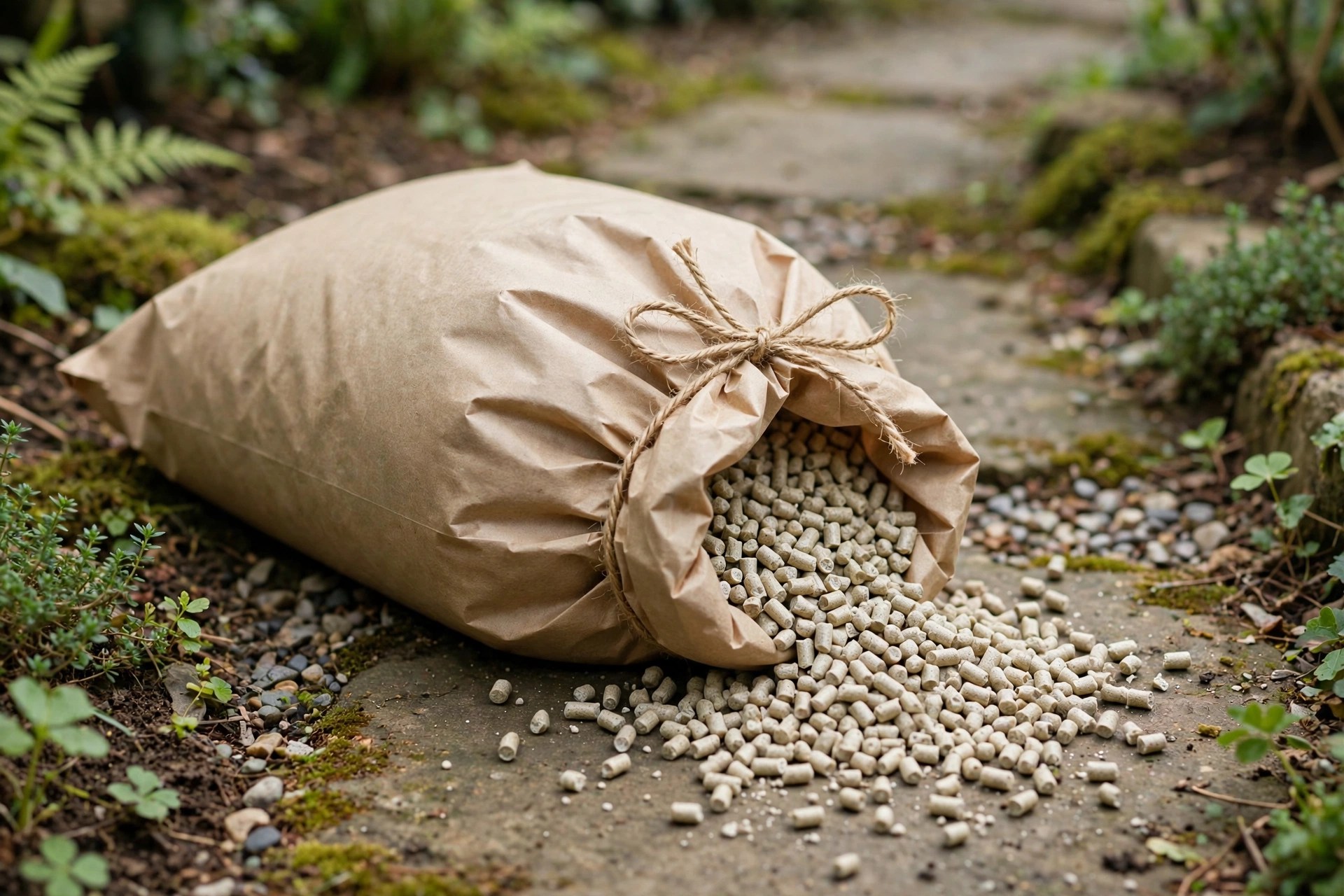
Espoma 5 lb. Organic Garden Lime (100047103)
Why we picked it: Most backyard soil runs acidic, and acidic soil locks up nutrients your plants paid for. A soil test first, then this — pelletized lime is the slow, safe correction.
Some links are affiliate links — we may earn a commission at no extra cost to you.